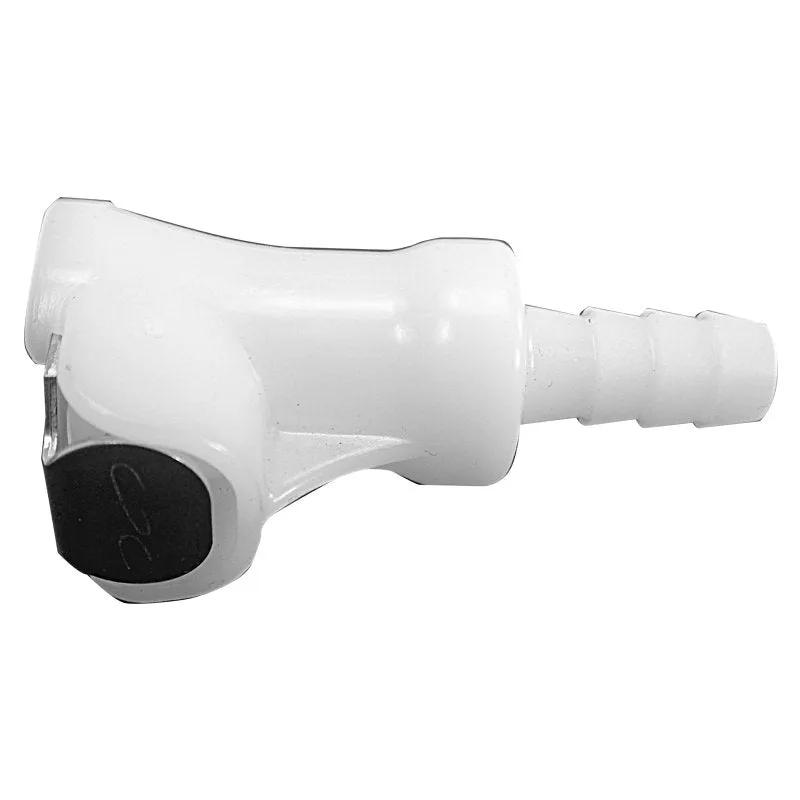
Coupler Body 1/4" Tube Coupling
Understanding BODY COUPLING QC PLC .25 TUBE COUPLING R175, R200
Stocked in Fresno. If it is short when we pull it, you get a ship date before anything goes out.
- Shipping
- Ships UPS, freight over 150 lb
About this product
Understanding BODY COUPLING QC PLC .25 TUBE COUPLING R175, R200
BODY COUPLING QC PLC .25 TUBE COUPLING R175, R200 is a type of coupler body designed to facilitate the quick and secure connection of tubes with a diameter of 1/4 inch. It is engineered to withstand high pressures and ensure minimal leakage, making it an indispensable component in various industries.
Features of Coupler Body 1/4" Tube Coupling
Durability
One of the standout features of the Coupler Body 1/4" Tube Coupling is its exceptional durability. Constructed from high-quality materials such as stainless steel or brass, it can withstand harsh operating conditions without succumbing to corrosion or wear.
Compatibility
This coupler body is compatible with a wide range of tubing materials, including stainless steel, nylon, and polyurethane. Its universal design ensures seamless integration into existing systems, offering flexibility and convenience to users.
Ease of Installation
With its user-friendly design, the Coupler Body 1/4" Tube Coupling can be easily installed without the need for specialized tools or expertise. This simplifies the assembly process, saving time and effort for technicians and engineers.
Benefits of Using Coupler Body 1/4" Tube Coupling
Reliable Connection
The precision engineering of this coupler body ensures a reliable connection between tubing components, minimizing the risk of leaks or disconnections. This reliability is crucial in critical applications where system integrity is paramount.
Leak Prevention
Thanks to its robust construction and secure locking mechanism, the Coupler Body 1/4" Tube Coupling effectively prevents leakage, even under high pressure conditions. This helps maintain system efficiency and prevents costly downtime.
Versatility
Whether used in hydraulic systems, pneumatic circuits, or fluid transfer applications, this coupler body offers unmatched versatility. Its compatibility with various fluids and gases makes it a versatile solution for diverse industrial applications.
Applications of Coupler Body 1/4" Tube Coupling
Automotive Industry
In the automotive sector, the Coupler Body 1/4" Tube Coupling finds extensive use in fuel delivery systems, brake assemblies, and air conditioning systems. Its reliability and durability make it a preferred choice for manufacturers and service centers.
Aerospace Industry
In aerospace applications, where precision and reliability are paramount, this coupler body plays a crucial role in hydraulic and pneumatic systems. Its lightweight yet robust design makes it ideal for use in aircraft and spacecraft components.
Manufacturing Sector
Across various manufacturing processes, from assembly lines to CNC machines, this coupler body facilitates the seamless transfer of fluids and gases. Its high-performance capabilities ensure uninterrupted operation, enhancing productivity and efficiency.
How to Choose the Right Coupler Body 1/4" Tube Coupling
Consider Material
When selecting a coupler body, consider the compatibility of the material with the fluid or gas being conveyed. Stainless steel is preferred for corrosive environments, while brass offers excellent durability and conductivity.
Pressure Ratings
Ensure that the coupler body's pressure ratings align with the requirements of your application. Higher pressure ratings are necessary for demanding applications such as hydraulic systems.
Application Specifics
Consider the specific requirements of your application, including temperature range, environmental factors, and regulatory compliance. Choose a coupler body that meets these criteria to ensure optimal performance and longevity.
Installation Guide for Coupler Body 1/4" Tube Coupling
Gather Necessary Tools
Before installation, gather the necessary tools, including wrenches, tubing cutters, and thread sealant. Ensure that the work area is clean and free from debris to prevent contamination.
Prepare the Tubing
Cut the tubing to the required length using a tubing cutter, ensuring clean and square cuts. Deburr the edges to prevent damage to the sealing surfaces and ensure a proper fit.
Connect the Couplings
Insert the tubing into the coupler body until it reaches the bottom of the fitting. Ensure that the tubing is fully seated to prevent leaks. Tighten the coupling nut securely using a wrench, taking care not to over-tighten.
Test for Leaks
After installation, pressurize the system and inspect for any signs of leakage around the connections. If leaks are detected, re-tighten the couplings and retest until a secure seal is achieved.
Maintenance Tips for Coupler Body 1/4" Tube Coupling
Regular Inspections
Perform regular inspections of the coupler bodies and tubing connections to check for signs of wear, corrosion, or damage. Replace any components that show signs of deterioration to prevent system failure.
Lubrication
Apply a small amount of lubricant to the coupler body's O-ring or sealing surfaces to ensure smooth operation and prevent premature wear. Use a lubricant compatible with the material of the coupler body.
Replacement of Seals
Periodically replace the O-rings or seals in the coupler body to maintain a reliable seal and prevent leakage. Follow the manufacturer's recommendations for seal replacement intervals.
Troubleshooting Common Issues with Coupler Body 1/4" Tube Coupling
Leakage
If leakage occurs at the connections, check for damaged seals or improperly tightened couplings. Replace any damaged seals and ensure that the couplings are tightened to the manufacturer's specifications.
Connection Failure
If the coupler body fails to establish a secure connection, inspect the tubing for damage or contamination. Clean the tubing and coupler surfaces thoroughly before reattempting the connection.
Corrosion
In corrosive environments, monitor the coupler bodies regularly for signs of corrosion. Replace any corroded components to prevent system contamination and ensure optimal performance.
Safety