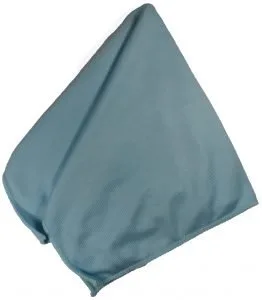
Microfiber Glass Cleaning Cloth 16 X 16 Dozen
Microfiber Glass Cleaning Cloth: The Ultimate Cleaning Solution
Stocked in Fresno. If it is short when we pull it, you get a ship date before anything goes out.
- Ship weight
- 1.5 lb
- Shipping
- Ships UPS, freight over 150 lb
About this product
Microfiber Glass Cleaning Cloth: The Ultimate Cleaning Solution
Microfiber glass cleaning cloth has become an indispensable tool for achieving pristine cleanliness in homes, offices, and various commercial spaces. With its remarkable features and benefits, it has revolutionized the way we clean and maintain various surfaces. In this article, we'll delve into the myriad advantages of using microfiber cloths and why they are the preferred choice for achieving streak-free, spotless surfaces.
Advantages of Using Microfiber Cloth for Cleaning
Streak-Free Finish
One of the standout features of microfiber cleaning cloths is their ability to provide a streak-free finish on mirrors, glass, stainless steel, and other surfaces. Unlike traditional cleaning cloths which often leave behind unsightly streaks and residue, microfiber cloths ensure a crystal-clear shine without any streaks or smudges.
Lint-Free Cleaning
Another benefit of microfiber cloths is their lint-free cleaning capability. The fine fibers in microfiber cloths trap dust, dirt, and debris effectively, leaving surfaces immaculately clean without leaving any lint or residue behind. This makes them ideal for cleaning delicate surfaces such as glass and mirrors where lint or residue can detract from the overall appearance.
Durability and Reusability
Microfiber cleaning cloths are known for their exceptional durability and reusability. Unlike disposable wipes or paper towels, which need to be discarded after a single use, microfiber cloths can be laundered and reused hundreds of times without losing their effectiveness. This not only saves money but also reduces waste, making them an eco-friendly choice for cleaning.
Cost-Effectiveness
In addition to being durable and reusable, microfiber cleaning cloths offer significant cost savings in the long run. By reducing the need for cleaning chemicals and disposable wipes, they help minimize cleaning costs while still delivering superior cleaning performance. With proper care and maintenance, a single microfiber cloth can last for months or even years, making it a cost-effective investment for any household or business.
Applications of Microfiber Glass Cleaning Cloth
Microfiber cleaning cloths are incredibly versatile and can be used to clean a wide range of surfaces with ease. Some common applications include:
Mirrors
Microfiber cloths are ideal for cleaning mirrors, leaving them sparkling clean and streak-free. The fine fibers of the cloth capture dust and dirt particles, ensuring a flawless finish every time.
Glass Surfaces
Whether it's windows, glass doors, or glass tabletops, microfiber cloths are perfect for achieving a streak-free shine on glass surfaces. Their lint-free cleaning action ensures that glass surfaces remain crystal clear and free from streaks or smudges.
Stainless Steel
Stainless steel appliances and fixtures can easily accumulate fingerprints, grease, and water spots. Microfiber cloths are excellent for cleaning stainless steel surfaces, restoring their shine and luster without leaving behind any streaks or residue.
Other Surfaces
In addition to mirrors, glass, and stainless steel, microfiber cloths can also be used to clean a variety of other surfaces, including countertops, tiles, and electronic screens. Their gentle yet effective cleaning action makes them suitable for use on even the most delicate surfaces.
Proper Care and Maintenance of Microfiber Cloths
To ensure optimal performance and longevity of microfiber cleaning cloths, it's essential to follow proper care and maintenance guidelines. Here are some tips:
Laundering Instructions
Wash microfiber cloths separately from other laundry to prevent lint transfer.
Use mild detergent and avoid fabric softeners, which can clog the microfibers and reduce their effectiveness.
Wash microfiber cloths in warm water, but avoid hot water, as it can damage the fibers.
Air dry or tumble dry on low heat to preserve the integrity of the microfibers.
Storage Tips
Store microfiber cloths in a clean, dry place away from direct sunlight.
Avoid folding or compressing microfiber cloths, as this can damage the fibers and reduce their effectiveness.
Consider using a breathable storage bag or container to keep microfiber cloths clean and dust-free between uses.
Environmental Benefits of Microfiber Cleaning
In addition to their superior cleaning performance and cost-effectiveness, microfiber cleaning cloths offer several environmental benefits. By reducing the need for disposable wipes and cleaning chemicals, they help minimize waste and reduce the environmental impact of cleaning activities. Furthermore, their long lifespan and reusability contribute to conservation efforts by reducing the consumption of natural resources.
In conclusion, microfiber glass cleaning cloths are a game-changer in the world of cleaning, offering unparalleled performance, durability, and cost-effectiveness. From achieving streak-free mirrors to restoring the shine of stainless steel surfaces, microfiber cloths are the ultimate cleaning solution for homes, offices, and beyond.
FAQs
1.Are microfiber cloths safe to use on all surfaces?
Yes, microfiber cloths are safe to use on a wide range of surfaces, including glass, mirrors, stainless steel, and countertops. However, it's always a good idea to test them on a small, inconspicuous area first to ensure compatibility.
2.Can I use microfiber cloths without cleaning chemicals?
Yes, microfiber cloths can effectively clean surfaces with just water, eliminating the need for harsh cleaning chemicals. However, for stubborn stains or heavily soiled areas, you may need to use a mild detergent or cleaner.
3.How do I know when it's time to replace my microfiber cloths?
Over time, microfiber cloths may become less effective due to wear and tear. Signs that it's time to replace your microfiber cloths include fraying edges, loss of absorbency, and reduced cleaning performance despite washing.