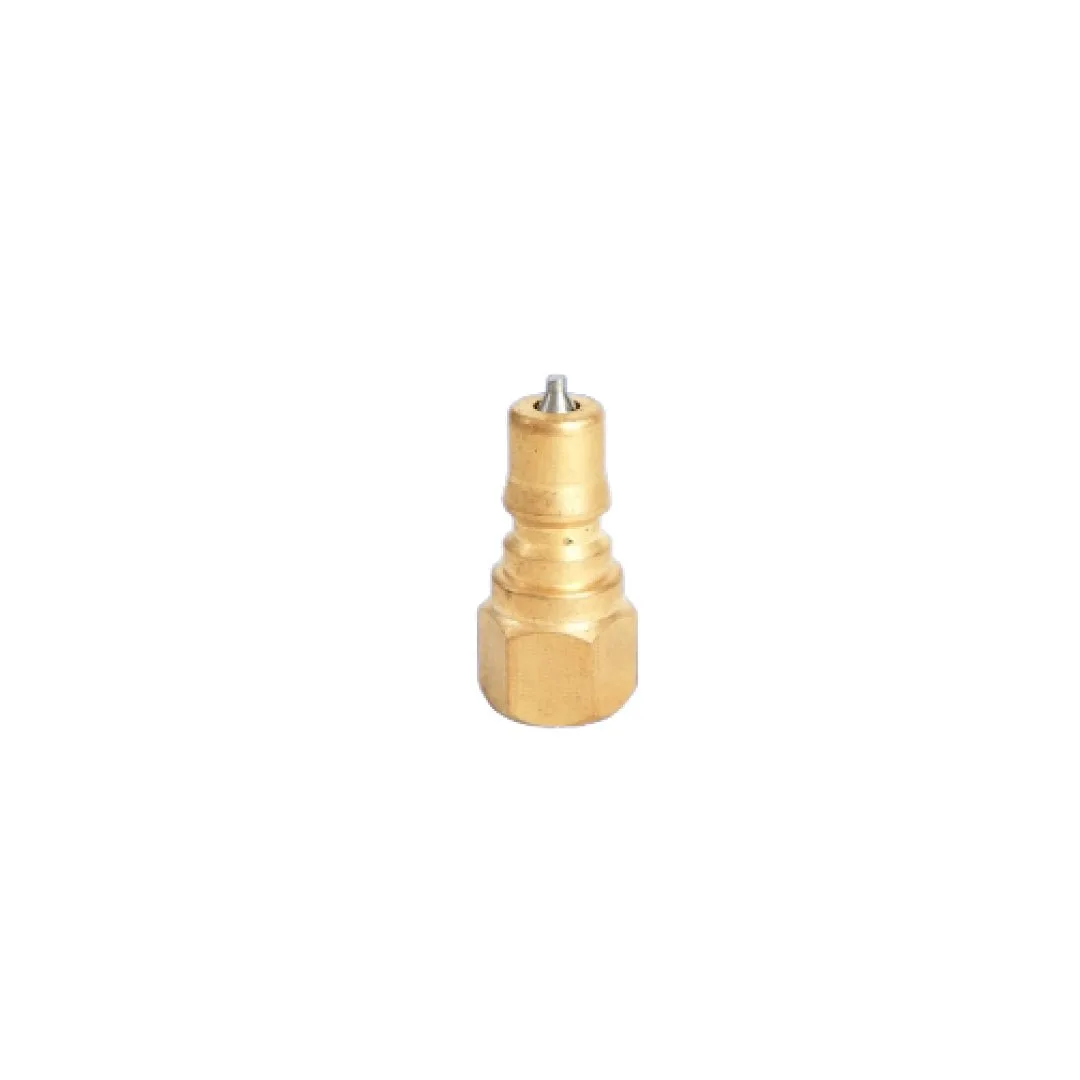
Quick Disconnect Brass 1/8" Male
Introduction to Quick Disconnect Brass 1/8" Male
Stocked in Fresno. If it is short when we pull it, you get a ship date before anything goes out.
- Ship weight
- 0.2 lb
- Shipping
- Ships UPS, freight over 150 lb
About this product
Introduction to Quick Disconnect Brass 1/8" Male
Quick disconnect brass fittings are essential components used across various industries for their efficiency and reliability. Among these, the 1/8" male brass quick disconnect stands out for its versatility and durability. This article explores its features, applications, installation procedures, maintenance requirements, and more.
Understanding Brass Quick Disconnects
What are Quick Disconnects?
Quick disconnects, or quick-release couplings, are devices facilitating rapid connection and disconnection of fluid lines with minimal leakage and optimal flow.
Benefits of Brass Quick Disconnects
Brass quick disconnects offer advantages over traditional fittings, including robust construction for durability and resistance to corrosion, enhancing operational efficiency.
Specifications of 1/8" Male Connector
Size and Dimension
The 1/8" male connector's diameter indicates compatibility with corresponding female fittings, ensuring ease of use across applications.
Material Composition
Typically made from high-quality brass alloy, these fittings exhibit excellent mechanical properties and corrosion resistance for longevity and reliability.
Applications of Brass Quick Disconnects
Brass quick disconnects find usage across industries:
Industrial Usage
In pneumatic and hydraulic systems, they facilitate quick, secure connections in machinery and pipelines.
Automotive Applications
Employed in fuel delivery systems, air conditioning lines, and brake assemblies for efficient fluid transfer.
Domestic and Residential Use
Utilized in water filtration systems, home brewing setups, and garden irrigation for reliable connections.
Installation and Usage Guide
Step-by-Step Installation Process
Ensure clean mating surfaces, push the male fitting into the female port until it clicks, and to disconnect, pull back the sleeve and remove the fitting.
Safety Measures
Observe safety precautions, wear protective gear, and follow manufacturer guidelines to prevent accidents.
Maintenance Tips for Longevity
Cleaning Procedures
Periodically clean fittings using mild detergent and water, followed by rinsing and drying.
Preventive Maintenance
Regularly inspect for wear or damage, replacing worn components promptly.
Comparative Analysis with Other Materials
Brass vs. Stainless Steel
While both offer corrosion resistance, brass fittings are more cost-effective.
Brass vs. Plastic
Brass fittings offer superior strength and durability compared to plastic.
FAQs
1.What is the maximum pressure rating for a 1/8" brass quick disconnect?
The maximum pressure rating varies, typically around 150-300 psi, depending on the specific model and manufacturer.
2.Can brass quick disconnects be used for food-grade applications?
Yes, brass quick disconnects can be used for food-grade applications, provided they meet relevant standards and regulations.
3.Are there any compatibility issues with different fluid types?
Brass quick disconnects are compatible with a wide range of fluids, including water, oil, air, and some chemicals. However, it's essential to verify compatibility for specific applications.
4.Can brass quick disconnects withstand extreme temperatures?
Brass fittings can withstand moderate temperature variations but may not be suitable for extreme temperatures. It's advisable to check the manufacturer's specifications for temperature limits.
5.How do I ensure a leak-free connection with brass quick disconnects?
Ensure proper installation, clean mating surfaces, and inspect for wear or damage regularly. Lubricating O-rings and using thread sealant can also help achieve a leak-free connection.
In conclusion, the 1/8" male brass quick disconnect offers versatility and reliability across various applications. Understanding its features, installation procedures, and maintenance requirements ensures optimal performance and longevity in fluid transfer systems.