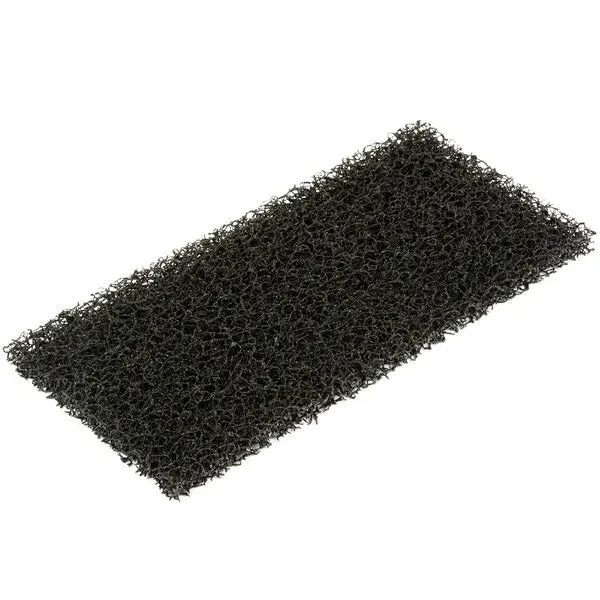
Utility Pads, Black — 5 Pack
Utility Pads Black: The Secret Weapon for Tough Cleaning Jobs
Stocked in Fresno. If it is short when we pull it, you get a ship date before anything goes out.
- Ship weight
- 1 lb
- Shipping
- UPS Ground only — never air
About this product
Utility Pads Black: The Secret Weapon for Tough Cleaning Jobs
Utility pads are indispensable tools in the realm of cleaning, offering efficiency and effectiveness in tackling various surfaces and grime. Among the myriad of options available, black utility pads stand out for their versatility and durability. In this article, we delve into the world of black utility pads, exploring their benefits, applications, and tips for optimal usage.
What Are Utility Pads?
Utility pads, also known as scrub pads or scouring pads, are abrasive cleaning tools designed to remove tough stains, grime, and buildup from surfaces. They come in various colors, each indicating a specific level of abrasiveness. Black utility pads are among the most aggressive, making them suitable for demanding cleaning tasks.
Benefits of Black Utility Pads:
Black utility pads excel in tasks such as baseboard cleaning and stripping due to their abrasive nature. Their black color allows for easy identification and differentiation from other pads, streamlining the cleaning process.
How to Use Utility Pads:
Using black utility pads requires proper technique and equipment. They are best utilized with a utility pad holder to ensure stability and control during cleaning. Employing the right pressure and motion can optimize cleaning efficiency while preventing damage to surfaces.
Applications of Black Utility Pads:
These pads find extensive use in commercial and industrial cleaning settings, where stubborn stains and dirt accumulation are prevalent. From scrubbing floors to degreasing surfaces, black utility pads prove invaluable in maintaining cleanliness and hygiene.
Comparison with Other Colors:
While other colors of utility pads serve specific purposes, black pads offer unmatched aggressiveness, making them suitable for the toughest cleaning challenges. Understanding the differences between colors allows for informed decision-making based on the cleaning requirements.
Choosing the Right Utility Pad:
Factors such as surface type, level of soiling, and desired outcome influence the selection of the appropriate utility pad. Matching the pad to the task at hand ensures optimal results while minimizing the risk of surface damage.
Maintenance and Care:
Proper cleaning and storage of utility pads prolong their lifespan and effectiveness. Regular rinsing and drying after use prevent bacterial growth and maintain abrasive integrity, ensuring consistent performance.
Safety Precautions:
Due to their abrasive nature, handling black utility pads requires caution to avoid injury or surface damage. Wearing protective gloves and eyewear is recommended, especially when dealing with harsh chemicals or sharp edges.
Environmental Impact:
Understanding the material composition of utility pads allows for conscious choices that minimize environmental harm. Opting for eco-friendly alternatives contributes to sustainability efforts without compromising cleaning efficiency.
Cost-effectiveness:
While black utility pads may have a higher upfront cost, their longevity and performance result in long-term savings compared to disposable cleaning solutions. Investing in quality pads translates to value for money and superior cleaning outcomes.
Customer Reviews and Testimonials:
Feedback from users highlights the effectiveness and reliability of black utility pads in various cleaning scenarios. Real-life experiences provide valuable insights for those considering integrating these pads into their cleaning routine.
Future Trends and Innovations:
Advancements in utility pad technology continue to improve performance and sustainability. Innovations such as biodegradable materials and ergonomic designs shape the future of cleaning tools, promising enhanced efficiency and environmental stewardship.
Common Misconceptions:
Addressing misconceptions about black utility pads dispels myths and clarifies doubts, fostering informed decision-making among consumers. Understanding the capabilities and limitations of these pads leads to realistic expectations and satisfactory results.
Black utility pads emerge as indispensable assets in the arsenal of cleaning professionals and enthusiasts alike. Their unmatched aggressiveness and versatility make them the go-to solution for tackling even the toughest cleaning challenges. By understanding their benefits, applications, and proper usage, users can elevate their cleaning experience to new heights of efficiency and effectiveness.
FAQs
Are black utility pads suitable for all types of surfaces?
While black utility pads are highly effective, they may be too abrasive for delicate surfaces such as hardwood or stainless steel. It's advisable to test in inconspicuous areas before proceeding with extensive cleaning.
Can black utility pads be used with chemical cleaners?
Yes, black utility pads are compatible with a wide range of cleaning agents. However, it's essential to follow manufacturer recommendations and safety guidelines to prevent damage to surfaces or adverse reactions.
How often should I replace black utility pads?
The frequency of replacement depends on usage and condition. Inspect the pad regularly for signs of wear or deterioration, such as fraying or reduced effectiveness. Replace as needed to maintain optimal cleaning performance.
Can black utility pads be washed and reused?
Yes, black utility pads are designed for multiple uses. Rinse them thoroughly after each use and allow them to dry completely to prevent bacterial growth. Periodically sanitize or machine wash according to manufacturer instructions.
Are there any alternatives to black utility pads for specific cleaning tasks?
Depending on the surface and level of soiling, alternative colors or types of utility pads may be more suitable. Consult with cleaning experts or refer to manufacturer guidelines for recommendations tailored to your specific needs.